




Narratives accepted until 30 June 2027

Did you grow upin a care home?We want to listen.

SUHAKAM is conducting a National Inquiry into the rights, safety and wellbeing of children in care and protection institutions. If you are 18 or older, your experience, good or bad, can help make care safer for children today.

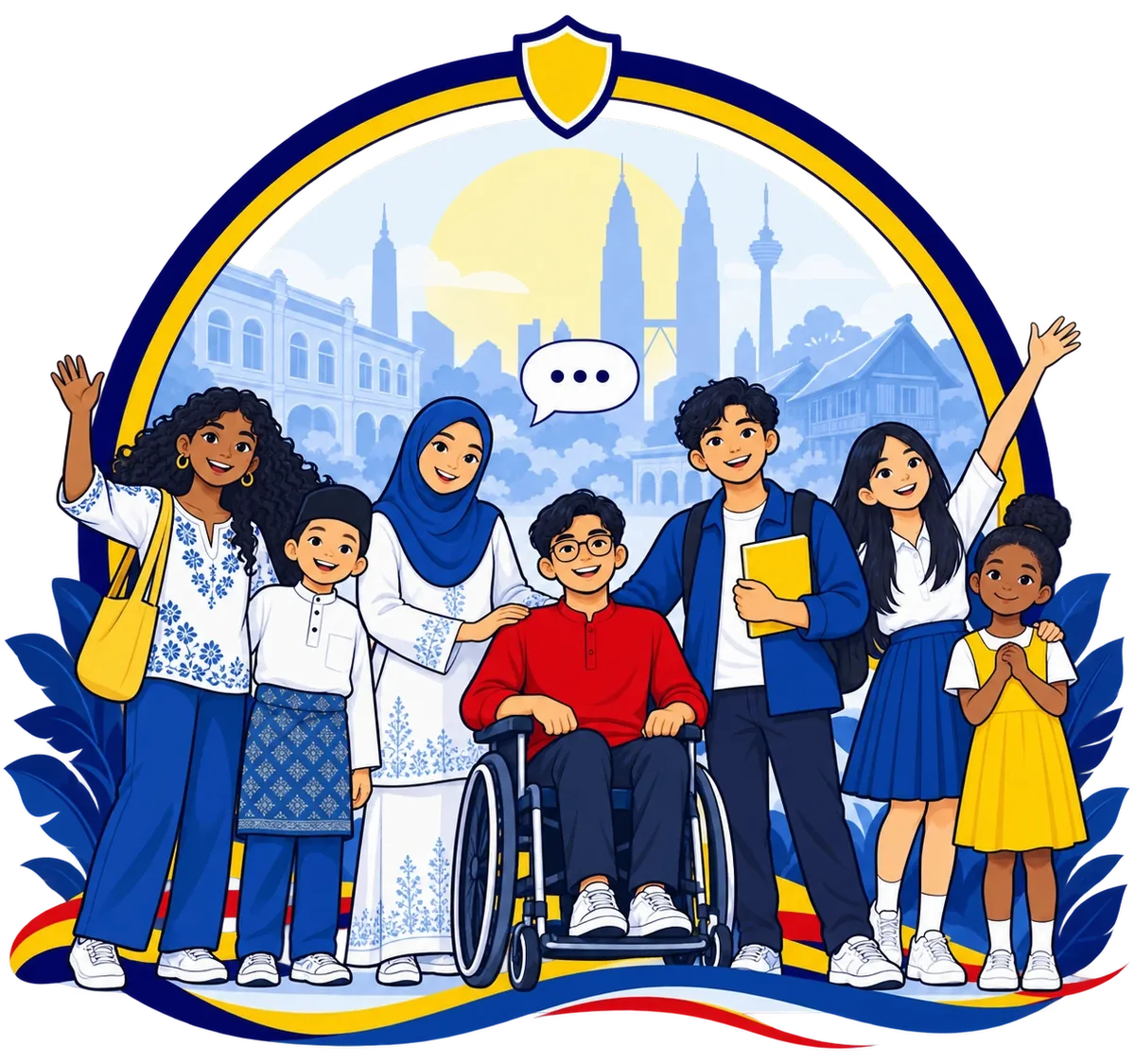
Illustration of a diverse group of Malaysian children and young people — including a young woman wearing a hijab, a wheelchair user and young children — standing happily together beneath a protective arch, against a backdrop of the Kuala Lumpur skyline, heritage buildings and village houses.
  • You can stay anonymous
  • Pause at any time
  • No legal language

When a child cannot live with their family, we all share a duty of care towards them. This inquiry asks honestly: has that duty been fulfilled?

  • 28+institutions visited
  • 13 + FTstates and Federal Territories
  • 4series of hearings
  • Dec 2027final report published

About the inquiry

What is this National Inquiry?

In a care home, children depend on staff for almost everything: meals, healthcare, school, contact with family and the chance to ask for help. That is why independent oversight and safe complaint channels matter so much.

This inquiry brings together the experiences of former residents, records, complaints and agency data to understand where protection works, where it breaks down, and what needs to change. It does not determine criminal guilt. That remains with the relevant authorities.

Read more about the inquiry
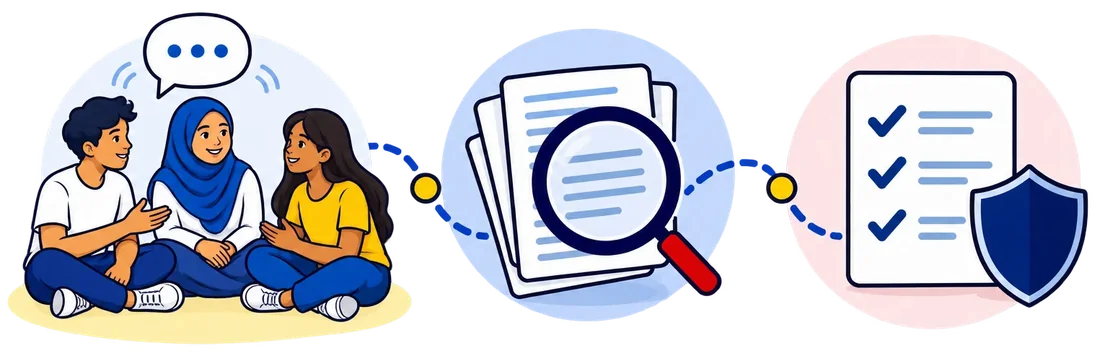
Illustration of the inquiry process: three young people talking in a safe circle, documents examined with a magnifying glass, then a report with a checklist protected by a shield.

How the inquiry works

Four steps, from stories to change.

  1. A young woman shares her experience while an officer wearing a hijab listens closely.

    Listening

    Children in care and adults who grew up in care share their experiences, including their efforts to get help.

  2. Documents and files examined with a magnifying glass, linked by a network of agencies.

    Examining

    Laws, policies, SOPs, inspection records and agency roles are compared to see where responsibility breaks down.

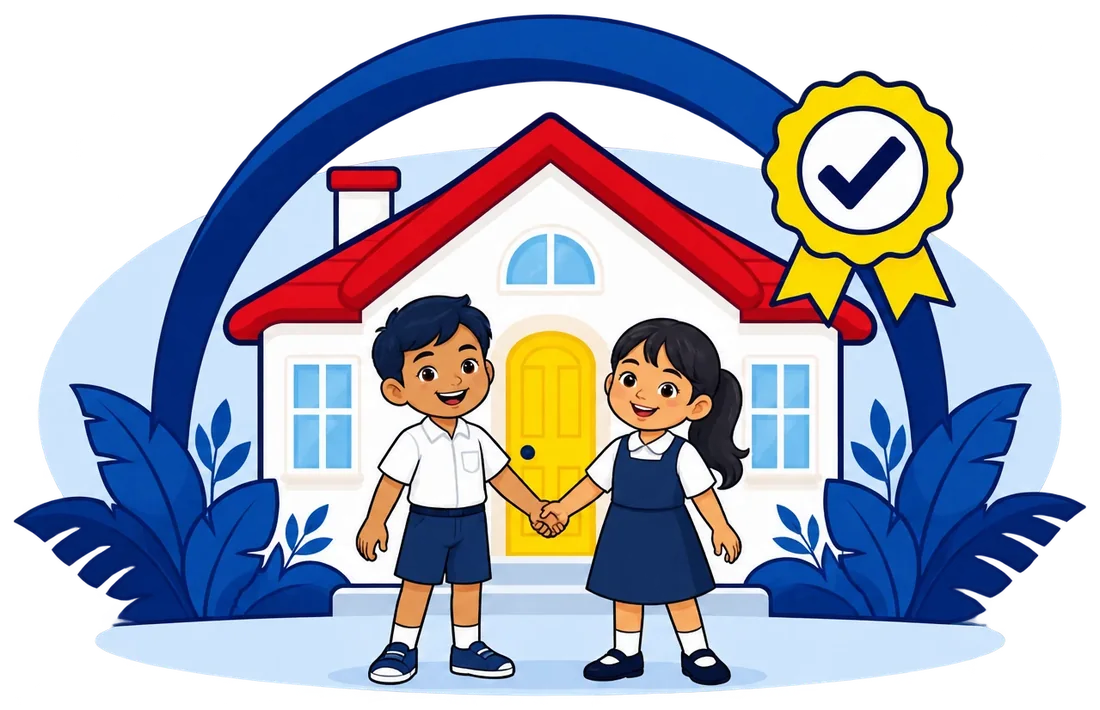
  3. Two children holding hands in front of a safe care home beneath a protective arch, with a good-practice badge.

    Learning from what works

    Institutions with good practice may also be selected. What works is recorded so that others can follow it.

  4. A report with a list of ticked recommendations, with a red arrow rising towards a government building.

    Recommending change

    Each recommendation states the action, the agency responsible, the timeframe and how progress will be monitored.

Open call · late November 2026 to 30 June 2027

CALL FOR NARRATIVES: ADULTS WHO GREW UP IN CARE

To
You, who once lived in a care home
From
The National Inquiry Panel
Subject
Your story matters

Perhaps you grew up in a children's home, an orphanage, a care centre or a shelter. Perhaps you have good memories. Perhaps some things are hard to talk about. Both matter to us.

You do not need to use legal language or bring evidence. You do not have to answer every question. And you decide whether your name is known.

Yours sincerely,The National Inquiry Panel

An adult who grew up in care sits comfortably sharing their experience on a laptop, surrounded by ways to send a story and a shield protecting personal information.

About 15–30 minutes · you can pause · drafts are saved on your device

You choose how much of your identity is known

No identifying information is requested. Your story can still be reviewed, but SUHAKAM may not be able to acknowledge receipt or follow up.

  • Website form
  • Email
  • Letter
  • Audio recording

Protecting participants

Our promise to you

  • A blue shield with a person's profile protecting an identity document, with a yellow badge bearing a tick.

    Your privacy comes first

    Identities are kept separate from material used for analysis. Stories received are never displayed on the website.

  • A young man chooses a button on a panel himself: pause, continue or stop.

    You are in control

    Stop, take a break or leave a question unanswered. Consent can be withdrawn for future use.

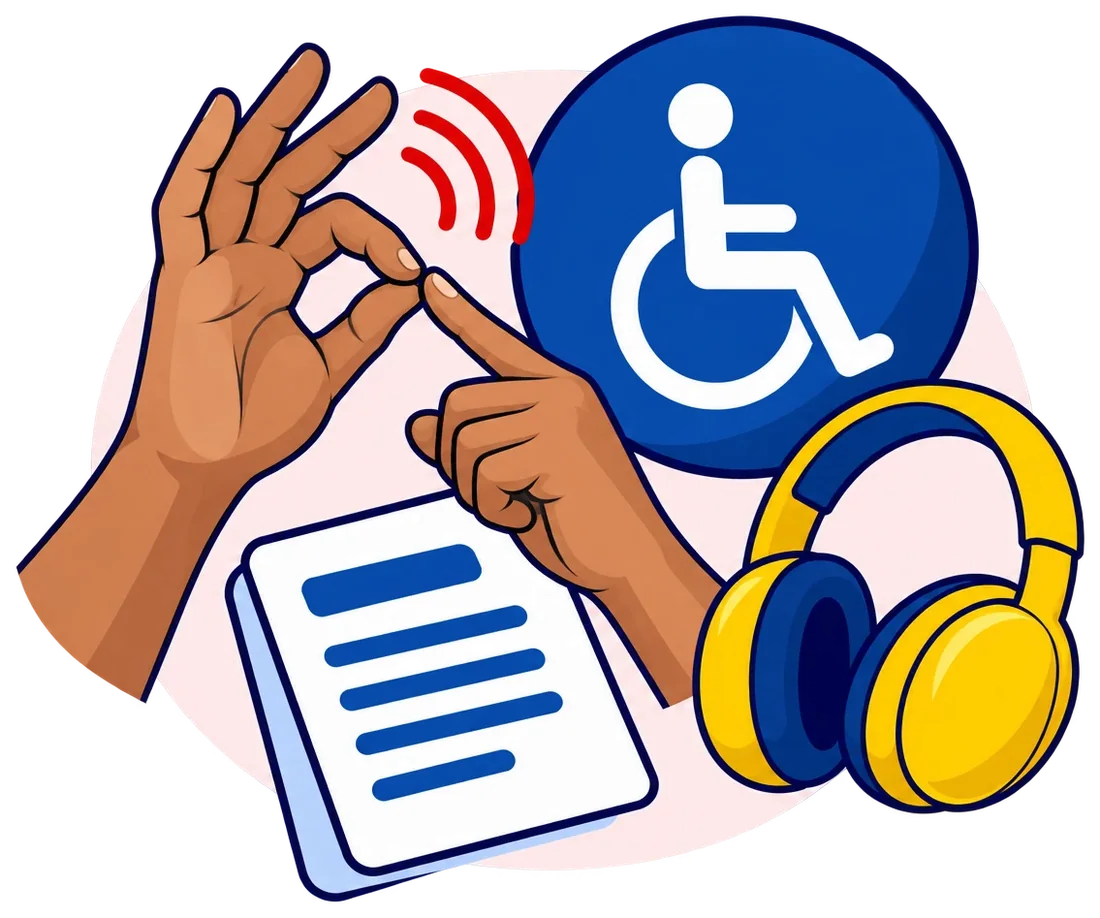
  • Inclusive ways to communicate: hands signing, a wheelchair access symbol, headphones for audio and easy-read documents.

    Access support is available

    Language support, Malaysian Sign Language, easy-read materials and help with writing or recording.

Limits of confidentiality: information about current danger will be referred to the authorities immediately, without waiting for the final report. Only the information needed will be shared. Read more

Key dates

The inquiry journey

Full timeline and hearings
  1. Sep–Dec 2026

    Preparation

    We are here

    Initial mapping, engagement, training and protection pathways.

  2. Late Nov 2026 – 30 Jun 2027

    Narratives open

    We are here

    Launch and receipt of narratives from adults who grew up in care.

  3. 11 Jan – 27 Aug 2027

    Institution visits

    We are here

    At least 28 institutions across six blocks of visits.

  4. 6 Sep – 15 Oct 2027

    Hearings

    We are here

    Four series: Northern, Southern, Sabah–Sarawak and National.

  5. December 2027

    Final report

    We are here

    National report, policy brief and a child-friendly version.

Frequently asked questions

Questions people often ask

See all 23 questions
Will my story be published?

Not automatically. Stories are not shown to the public. Anonymised quotes are used only with your consent and after an identity-risk review.

I can't remember all the dates. Can I still share?

Yes. You do not need to provide complete evidence or use legal language. An approximate year is enough.

Will this inquiry decide who is guilty?

No. Determining guilt and court remedies remains with the relevant authorities.

One story can change how children are cared for.

Narratives are accepted until 30 June 2027.